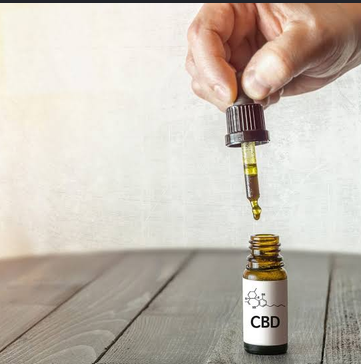
The CBD market has expanded rapidly, introducing consumers to a wide range of cannabidiol-based products. From oils and capsules to creams and gummies, these products are available in different formulations and concentrations.
Understanding product quality and safety is important for anyone researching CBD.
What Are CBD Products?
CBD products contain cannabidiol, a naturally occurring compound found in cannabis plants. Most commercial products are manufactured using CBD extracted from hemp.
Unlike THC, CBD is not generally associated with an intoxicating high. However, some full-spectrum products may contain small amounts of THC.
Different CBD Formulations
CBD products are commonly divided into three categories.
Full-Spectrum CBD: Contains CBD alongside other naturally occurring cannabis compounds, including potentially small amounts of THC.
Broad-Spectrum CBD: Contains multiple cannabis-derived compounds but is generally processed to remove THC.
CBD Isolate: Contains purified cannabidiol without the other naturally occurring plant compounds.
The actual composition can vary between manufacturers, making laboratory testing particularly important.
Why Product Testing Matters
Product testing helps consumers understand what is actually present in a CBD product.
A certificate of analysis from an independent laboratory can provide information about cannabinoid concentrations and possible contaminants.
Consumers should check whether the laboratory report matches the product batch and whether it confirms the advertised CBD content.
Important Safety Considerations
CBD is not completely risk-free. Potential side effects include:
- Drowsiness and fatigue.
- Diarrhoea or digestive discomfort.
- Changes in appetite.
- Possible liver-related effects.
- Interactions with prescription medicines.
People taking medication should consult a healthcare professional before considering CBD.
Understanding Regulations
CBD regulations vary internationally. Manufacturers and sellers must follow the relevant requirements in their markets. In the UK, certain CBD food products fall under novel food regulations and require appropriate authorisation.
Consumers should avoid products making unsupported medical claims.
Conclusion
Choosing a CBD product requires more than comparing prices or packaging. Ingredient transparency, independent testing and regulatory compliance are important indicators of product quality. By understanding different formulations and potential risks, consumers can make more informed decisions about CBD products.
Leave a Reply