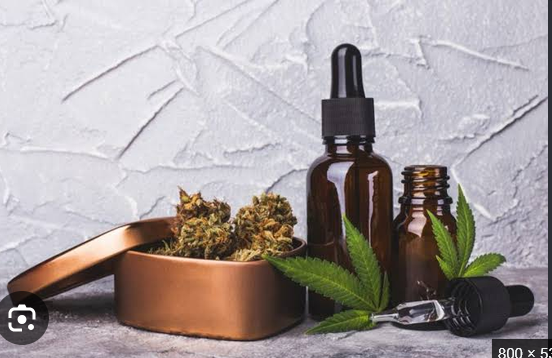
The cannabidiol industry has experienced significant growth as consumer interest in wellness, beauty, and plant-based products continues to expand. Commonly known as CBD, cannabidiol is a naturally occurring compound extracted from the cannabis plant. It has become an important ingredient in several consumer markets, attracting attention from manufacturers, researchers, and entrepreneurs around the world.
Unlike THC, CBD does not produce the intoxicating high commonly associated with cannabis. This distinction has contributed to its popularity and encouraged businesses to explore new product categories.
Expansion of the CBD Industry
The CBD market has developed beyond traditional oils and extracts. Today, manufacturers offer a wide selection of products, including capsules, gummies, skincare formulations, and topical creams.
This expansion reflects changing consumer preferences and growing interest in alternative wellness ingredients. Businesses are also investing in product development, packaging, quality control, and manufacturing technologies.
However, the industry operates under different legal frameworks depending on the country. Businesses must understand local regulations before manufacturing, importing, or selling CBD products.
CBD and Consumer Preferences
Modern consumers are increasingly interested in understanding product ingredients and manufacturing practices. This has encouraged CBD companies to provide more transparent information about their formulations.
Many customers look for products with clearly stated CBD concentrations, accessible laboratory reports, and detailed ingredient lists.
Consumers are also becoming more aware of the differences between CBD isolate, broad-spectrum CBD, and full-spectrum CBD. These formulations contain different combinations of naturally occurring cannabis compounds.
Opportunities in the Beauty Industry
The cosmetics sector represents another developing area for CBD-related products. Manufacturers are introducing cannabidiol into moisturisers, facial oils, serums, and body creams.
CBD is being researched for its potential antioxidant and anti-inflammatory properties. However, evidence supporting many cosmetic marketing claims remains limited.
The future of CBD skincare will depend on better research, responsible product development, and reliable quality standards.
Technology and Product Innovation
Technology plays an important role in improving CBD production. Manufacturers are exploring advanced extraction processes, purification techniques, and analytical testing systems.
These developments can help improve product consistency and provide better information about cannabinoid concentrations.
Packaging innovation is also important. Clear labelling and suitable storage recommendations can help consumers understand product contents and maintain product quality.
Challenges Facing the CBD Market
Despite its growth, the CBD industry faces several challenges.
- Different regulations across international markets.
- Inconsistent product quality.
- Limited scientific evidence for many advertised benefits.
- Consumer confusion about product formulations.
- The need for stronger manufacturing standards.
Addressing these challenges will be important for developing a responsible and transparent industry.
Safety and Consumer Education
CBD is not risk-free. Potential side effects include fatigue, diarrhoea, and appetite changes. It may also interact with certain prescription medications.
Consumers should consult healthcare professionals before using CBD, particularly if they take medication or have existing medical conditions. Pregnant and breastfeeding individuals should avoid CBD unless advised otherwise by a qualified healthcare professional.
What Does the Future Hold?
The future of the global CBD market will depend on scientific research, regulatory developments, and consumer confidence. Companies that prioritise transparent labelling, independent testing, and responsible marketing may be better positioned to build long-term trust.
Conclusion
CBD has developed into an important part of the expanding wellness and personal care industries. Its global market continues to attract innovation and commercial interest. However, responsible manufacturing, scientific evidence, and regulatory compliance will be essential for sustainable industry development.
Leave a Reply