Hemp has become an interesting agricultural resource because of its wide range of industrial and commercial applications. Beyond its association with cannabidiol, commonly known as CBD, hemp can be used in textiles, construction materials, paper and other manufactured products.
As industries explore alternative materials, hemp innovation continues to attract attention.
Understanding the Hemp Plant
Hemp is a variety of the cannabis plant cultivated for different commercial purposes.
Its stalks contain fibres that can be processed into textiles and industrial materials. Its seeds can be used in food and other applications where permitted.
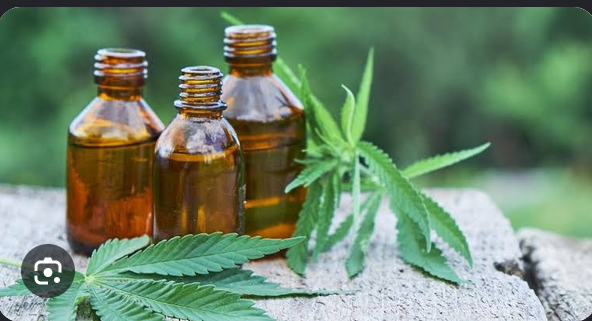
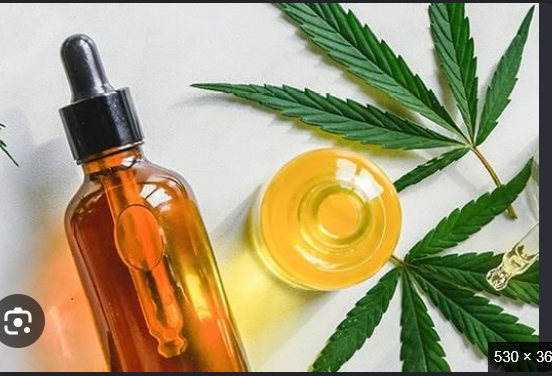
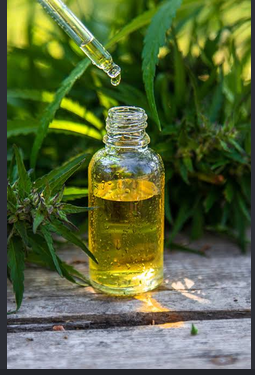
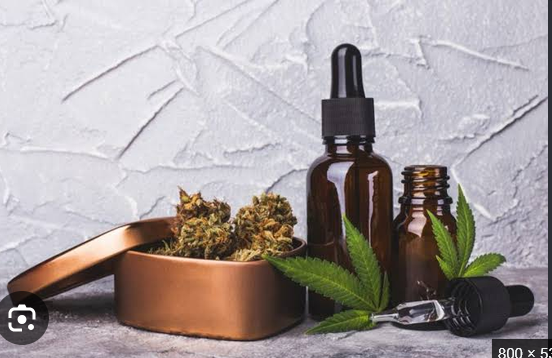
Certain hemp varieties are also cultivated for their cannabinoid content, including CBD.
Hemp in the Construction Industry
One area of hemp innovation involves construction materials.
Hemp fibres and woody plant material can be processed into products such as hempcrete, a building material made using hemp hurds and a lime-based binder.
These materials are being explored for their potential applications in building insulation and construction.
Their performance depends on formulation, construction methods and local building requirements.
Hemp in Fashion and Textiles
Hemp fibres can be used to produce fabrics for clothing, bags and household products.
Manufacturers may combine hemp with cotton or other fibres to create different textures and fabric characteristics.
The material has attracted interest from fashion businesses exploring alternative textile resources.
Hemp-Based Paper and Packaging
Hemp fibres can also be used in paper and packaging applications.
Research and manufacturing innovation may create opportunities to diversify raw materials used in these industries.
However, the environmental performance of hemp-based alternatives depends on the complete production process.
The Connection Between Hemp and CBD
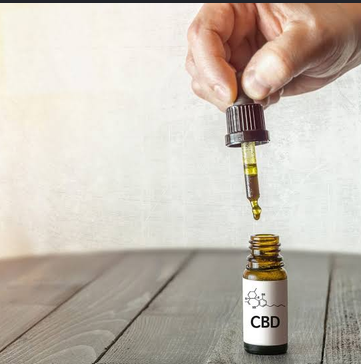
CBD production represents another commercial application of the hemp plant.
Manufacturers extract cannabidiol from suitable plant material and process it into different products.
Hemp used for textiles and hemp used for cannabinoid extraction may involve different cultivation and processing requirements.
Challenges and Future Opportunities
Hemp innovation faces challenges involving processing infrastructure, manufacturing costs, market demand and regulatory requirements.
Continued research and technological improvements may help expand its industrial applications.
Conclusion
Hemp offers opportunities across several industries, including construction, textiles, packaging and CBD production. Its future development will depend on responsible agriculture, improved processing technology and accurate assessments of environmental and commercial performance.