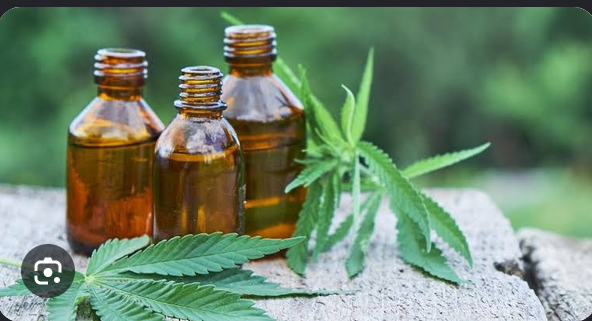
The hemp industry has undergone significant development as businesses explore new ways to use this versatile plant. One of its most recognised compounds is cannabidiol, commonly known as CBD. Today, CBD is an important ingredient in various wellness, cosmetic, and personal care products.
The growing interest in hemp-based products reflects changing consumer preferences, scientific research, and improvements in agricultural and manufacturing technology.
Understanding Hemp and CBD
Hemp refers to varieties of the cannabis plant cultivated for industrial and commercial purposes within applicable legal limits. The plant can provide fibre, seeds, and cannabinoids, including CBD.
CBD is different from THC, the compound responsible for the intoxicating effects associated with cannabis. Although both occur naturally in the cannabis plant, they have different properties and effects.
CBD is extracted and processed into different formulations for use in consumer products.
The Development of Hemp-Based Products
Hemp has traditionally been valued for its strong fibres and nutritional seeds. However, modern processing technology has created additional opportunities for the industry.
Today, hemp-derived materials are used in textiles, paper, building materials, cosmetics, and various other products.
CBD has introduced another commercial category, with manufacturers developing oils, capsules, creams, and personal care formulations.
This diversity has encouraged businesses to invest in research, product development, and improved manufacturing processes.
CBD in Modern Wellness
CBD has attracted attention because researchers are investigating its interaction with the body’s endocannabinoid system.
This biological system participates in regulating functions such as sleep, mood, appetite, and pain perception.
Prescription cannabidiol has established applications for certain seizure disorders. However, evidence supporting many other wellness claims remains limited.
Consumers should therefore approach CBD products with realistic expectations and avoid treating them as replacements for prescribed medicines.
Innovation in Manufacturing
Modern manufacturing technology has helped improve the processing and development of hemp-derived products.
Companies are exploring advanced extraction techniques, improved purification systems, and more accurate laboratory testing.
These developments can help manufacturers maintain consistent product formulations and provide better information about cannabinoid concentrations.
Packaging improvements and transparent labelling are also important for protecting product quality and informing consumers.
Sustainability and Environmental Responsibility
Hemp is often discussed as a potentially useful crop for sustainable agriculture. Its fibres can be used in textiles, insulation, paper, and other materials.
However, environmental benefits depend on cultivation methods, processing requirements, water consumption, and transportation.
Responsible farming and efficient manufacturing are important for reducing environmental impacts throughout the hemp supply chain.
CBD Product Quality and Safety
Consumers should check CBD concentrations, ingredient lists, independent laboratory reports, and manufacturer information before purchasing products.
CBD may cause side effects, including fatigue, diarrhoea, and appetite changes. It can also interact with prescription medications.
Anyone taking medication should consult a healthcare professional before using CBD. Pregnant and breastfeeding individuals should avoid CBD unless advised otherwise by a qualified healthcare professional.
Consumers should also check local regulations because rules governing hemp and CBD products differ between countries.
The Future of Hemp Innovation
The future of the hemp industry will likely involve improved processing technologies, new material applications, and continued scientific research into cannabinoids.
Businesses that focus on quality, transparency, and responsible sourcing may help strengthen consumer confidence.
Conclusion
The evolution of hemp products demonstrates how traditional agricultural resources can develop into modern commercial applications. CBD has become an important part of this transformation, particularly in wellness and personal care. Continued research, responsible manufacturing, and transparent quality standards will help shape the future of the expanding hemp industry.
Leave a Reply